Ceylon vs Burma Sapphire: Origin Matters
In the world of colored gemstones, sapphire origin is not merely a footnote — it is a primary determinant of value. A sapphire from Ceylon and one from Burma may look nearly identical to the untrained eye, yet their price difference can be 50–300%. Understanding why requires understanding what makes each origin unique.
Ceylon Sapphires: The Classic Blue
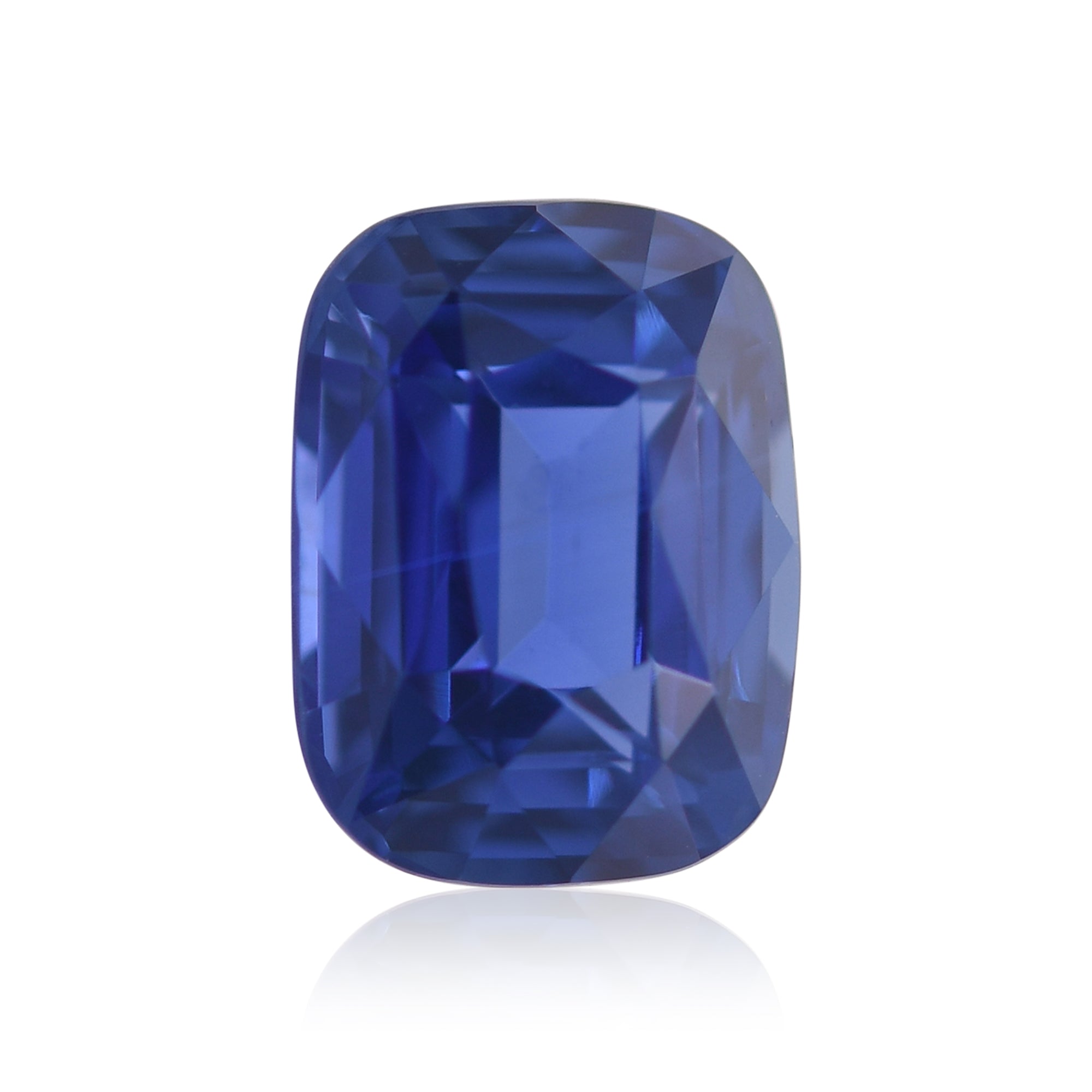
Sri Lanka (historically Ceylon) has produced sapphires for over 2,000 years, and its name remains synonymous with the finest cornflower blue — medium blue with a delicate violet modifier, exceptional transparency, and a brilliance that excels in daylight. Ceylon sapphires tend to be lighter in tone than Burma stones, often showing an electric, almost glowing quality attributable to relatively low iron content.
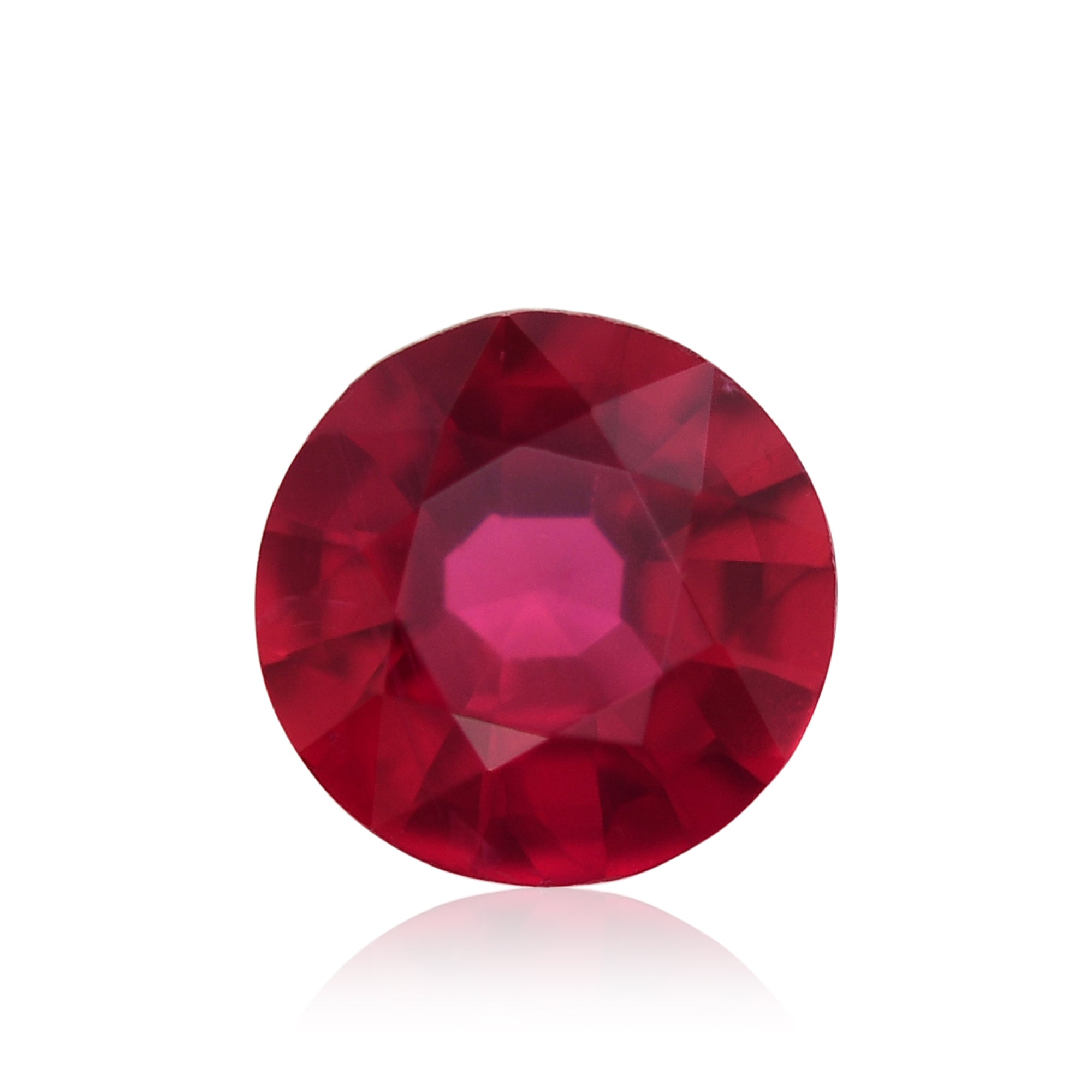
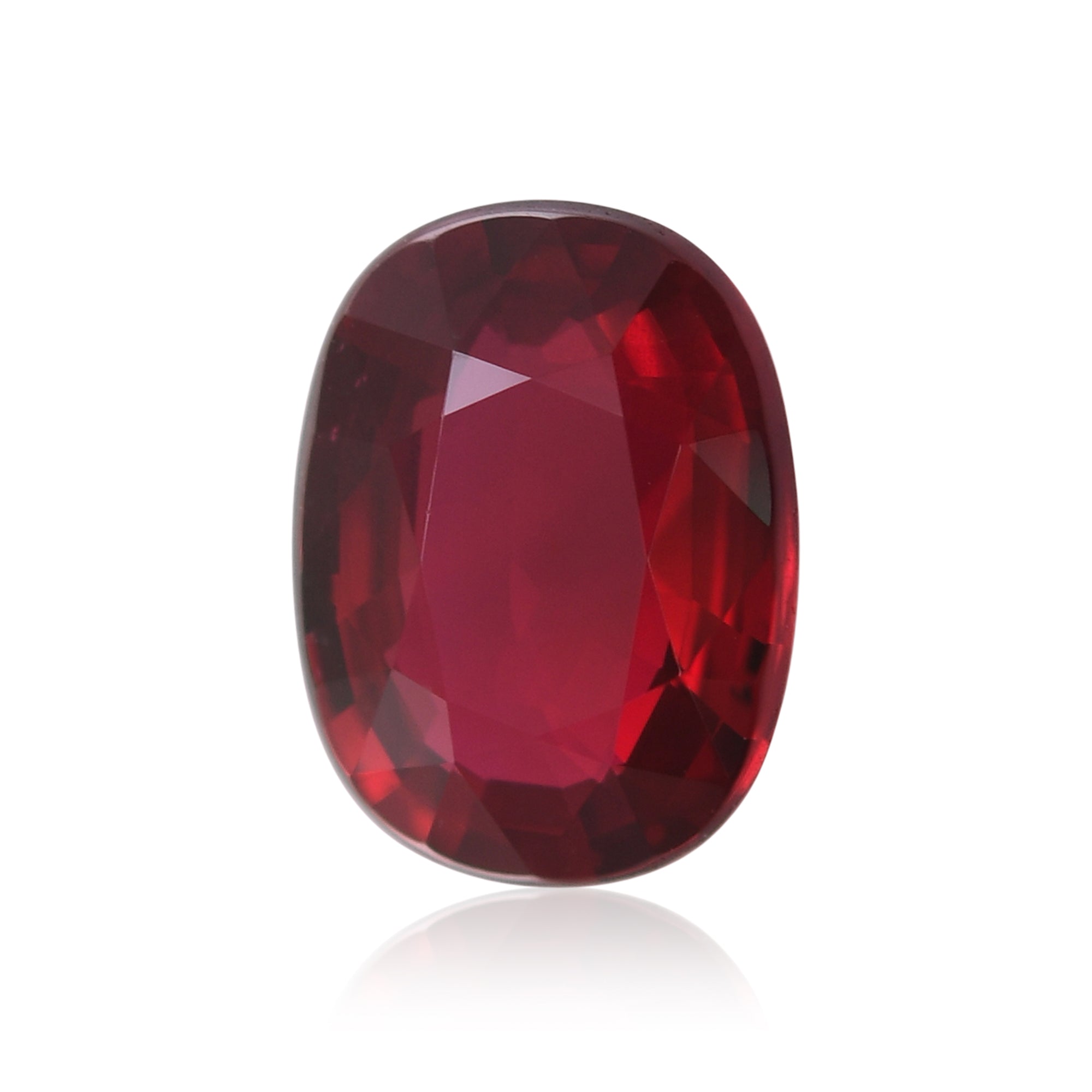
Beyond blue, Ceylon is the world's primary source of padparadscha — the rarest and most valuable sapphire variety. The name derives from the Sinhalese word for "lotus flower" and describes a unique pink-orange or orange-pink color found nowhere else in the same quality. Genuine padparadscha with GRS or Gübelin certification commands prices that rival fine rubies.
Burma and Kashmir: Prestige Origins
Burmese sapphires from Mogok achieve a Royal Blue color — richly saturated, deeply violet-tinged blue that GRS awards as a quality designation to stones meeting strict color criteria. Mogok sapphires are exceptionally rare today; the deposits are largely exhausted, making genuine Mogok sapphires highly collectible with significant premiums over Ceylon material of comparable appearance.
Kashmir is the most prestigious sapphire origin of all. Mined briefly from 1881–1887 in the remote Zanskar range, Kashmir sapphires show a distinctive "velvety" blue caused by minute inclusions that scatter light without reducing transparency. This quality — often described as "sleepy" — is unlike any other origin and drives prices to extraordinary levels.
Madagascar: The New Important Source
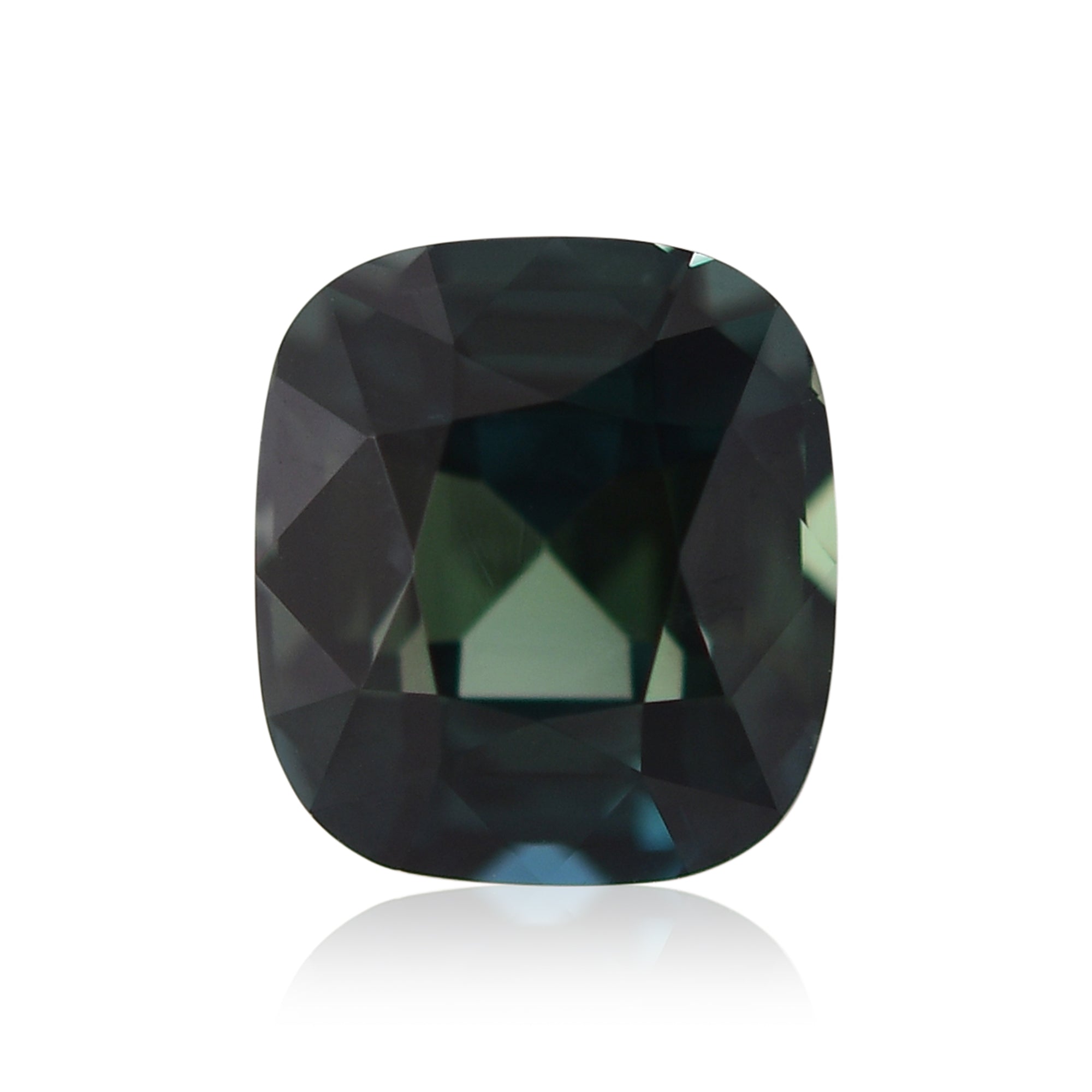
Madagascar's Ilakaka deposit, discovered in the late 1990s, transformed the sapphire market by significantly increasing supply. Madagascar sapphires can achieve excellent blue color approaching Ceylon quality, and the finest examples with heat treatment reach commercial fine grade. Top-quality Madagascar sapphires with GIA or GRS certification are now accepted by serious collectors, though they trade at a meaningful discount to Ceylon and Burma equivalents.
How Labs Determine Origin
Origin determination uses a combination of trace element analysis (laser ablation ICP-MS), UV-Vis spectroscopy, and detailed microscopic inclusion studies. Kashmir sapphires show characteristic silk patterns and unique trace element ratios. Ceylon stones contain zircon and other typical inclusions. Burma sapphires show specific iron/chromium relationships. This sophisticated analysis is why SSEF, GRS, and Gübelin command the market's trust.
Price Premium by Origin
As a general guide: Kashmir sapphires command the highest premiums (often 3–10× comparable Burma), followed by unheated Burma (2–5× heated equivalents), then Ceylon, then Madagascar, then other origins. These multipliers compound: an unheated Kashmir sapphire represents the apex of the market — a virtually impossible combination of rarity factors that drives auction records.
Heat Treatment: The 30–300% Premium
Approximately 90–95% of all commercial sapphires have been heat treated. Heat treatment at approximately 1,800°C dissolves rutile silk, improves color saturation, and removes undesirable color zoning. It is stable, permanent, and widely accepted. Unheated sapphires — certified with the words "no indications of heating" on GRS or GIA — command 30–300% premiums over heated equivalents of identical appearance, depending on quality.
What Certificates Say About Origin
GRS certificates award "Royal Blue" for qualifying Burma and Ceylon sapphires — a designation that directly impacts auction values. SSEF is particularly respected for Kashmir origin determinations; their reports on Kashmir sapphires are the absolute industry benchmark and are required by serious buyers. GIA's Colored Stone Identification and Origin Reports cover Burma, Ceylon, and Kashmir with detailed narrative explanations of supporting evidence.