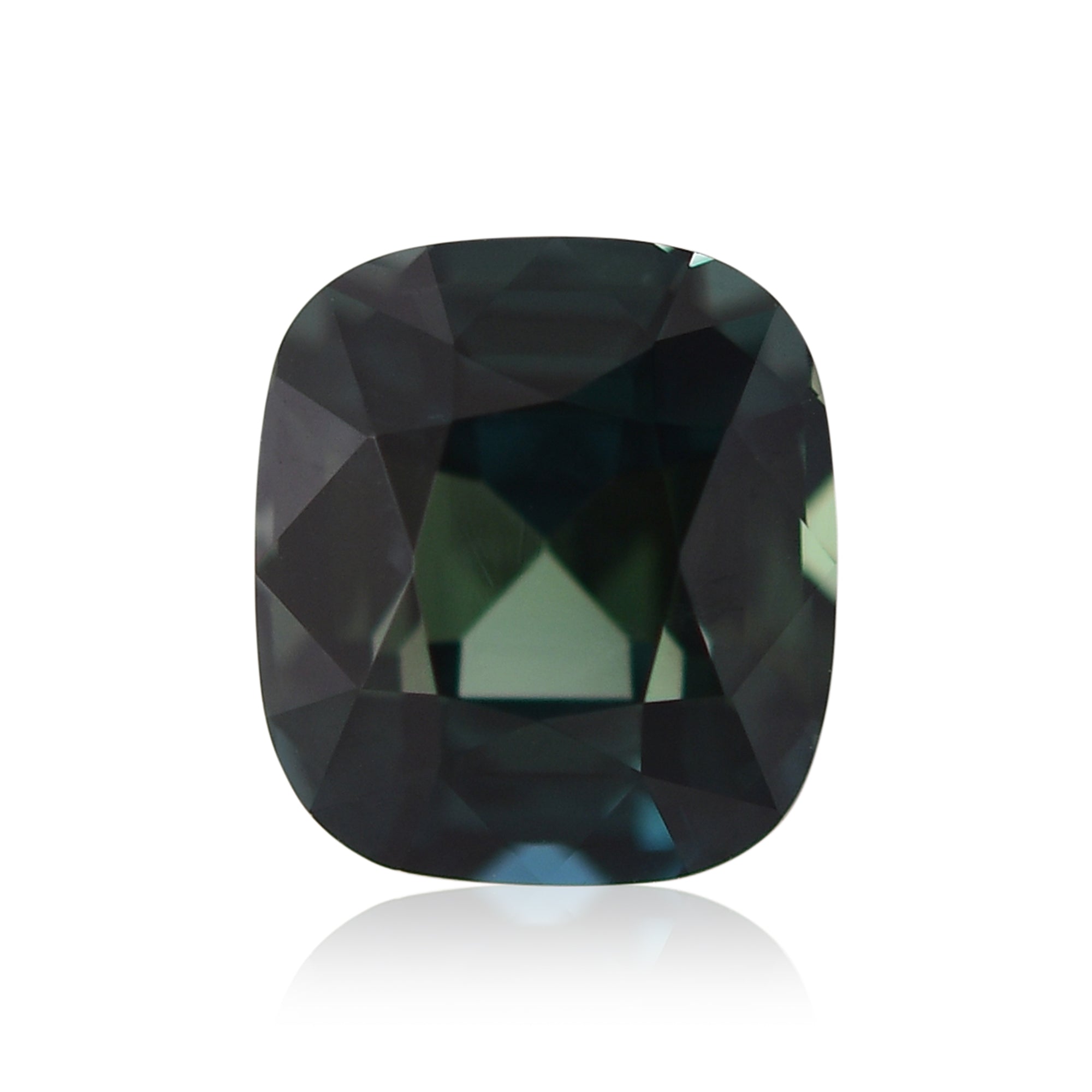
Unheated vs Heated Sapphire: The Price Premium
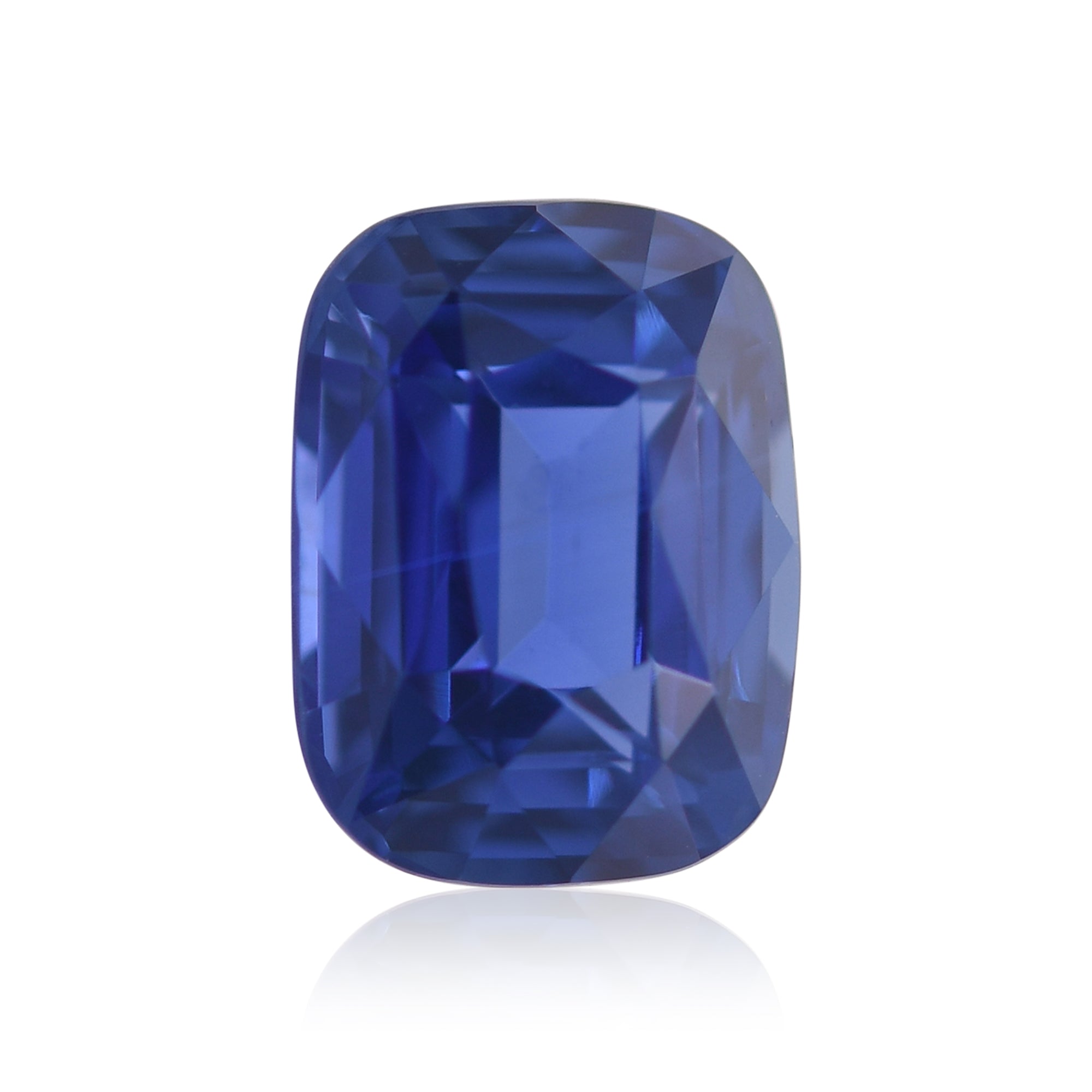
An unheated sapphire and a heated sapphire of identical color and clarity can be nearly impossible to distinguish with the naked eye. Yet the unheated stone might command a premium of 30–300% over its treated counterpart. Understanding why requires understanding both the gemology and the economics of the colored stone market.
What Heat Treatment Does
The vast majority of sapphires on the market — approximately 90–95% by most estimates — have been heated to temperatures around 1,800°C. This process dissolves rutile silk (the fine needle-like inclusions that form naturally during crystal growth), dissolves or redistributes color-impairing zones, and saturates and homogenizes the blue color. The result: a stone that appears more transparent, more evenly colored, and more intensely blue than it would in its natural state.
Heat treatment is stable, permanent, and widely accepted by the trade. It is not a deception — it is disclosed on every reputable laboratory certificate. The question is whether the buyer is paying for treated or natural color.
How Labs Detect It
Gemological laboratories use several methods to detect heat treatment in sapphires. The most important: rutile silk dissolution. In unheated sapphires, fine rutile needles are intact, often showing characteristic interference patterns under magnification. In heated stones, these needles are dissolved or show "halos" and "discoids" — stress fractures created when the rutile melted and recrystallized at different temperatures than the surrounding corundum.
Secondary evidence includes altered growth zoning visible under UV fluorescence, physical and chemical changes in inclusions, and trace element signatures that differ between heated and natural states. This detection requires high-magnification microscopy and often UV-Vis spectroscopy — sophisticated analysis beyond any individual buyer's means, which is why laboratory certification is essential.
The Premium: 30–300%
The price premium for unheated sapphires varies dramatically by quality. For commercial-quality Ceylon blue sapphires at 2–3ct: approximately 30–80% over heated equivalents. For fine quality, larger Ceylon stones at 5ct+: 100–200%. For top-quality Burma blue sapphires in Royal Blue quality: 200–400%. For Kashmir sapphires (essentially all pre-1900 material and thus effectively unheated by definition): the Kashmir designation itself drives price to extraordinary levels independent of this distinction.
"No Indication of Heating": The Exact Words
On GRS certificates, the treatment section will state either "no indication of heating" or "indications of heating." On GIA reports, look for "no indications of heating" or "evidence consistent with heating." These phrases must appear verbatim on the certificate — not paraphrased, not implied. Any ambiguity in treatment language on a certificate should be treated as disclosure of treatment.
Why Buyers Pay More
The premium for unheated sapphires reflects two underlying values: rarity (natural fine color in sapphire is genuinely uncommon — most rough would not achieve commercial gem quality without heat) and authenticity (the stone represents nature's work unchanged). For collectors and investors, the unheated designation signals that the stone occupies a category that cannot be artificially increased in supply.
Unheated Sources
Ceylon (Sri Lanka) is by far the most important commercial source of unheated sapphires. A meaningful percentage of Ceylon rough achieves fine color without heating — unusual among global sapphire deposits. Burma (Mogok) produces some of the finest unheated sapphires, though supply is extremely limited. Kashmir sapphires, mined primarily in the 1880s, are essentially all unheated by implication of age; their rarity transcends the heat treatment question entirely.
Interested in Unheated Sapphires?
Browse our current selection of certified natural unheated sapphires.
VIEW CATALOG