The Complete Guide to Ruby Gemstones
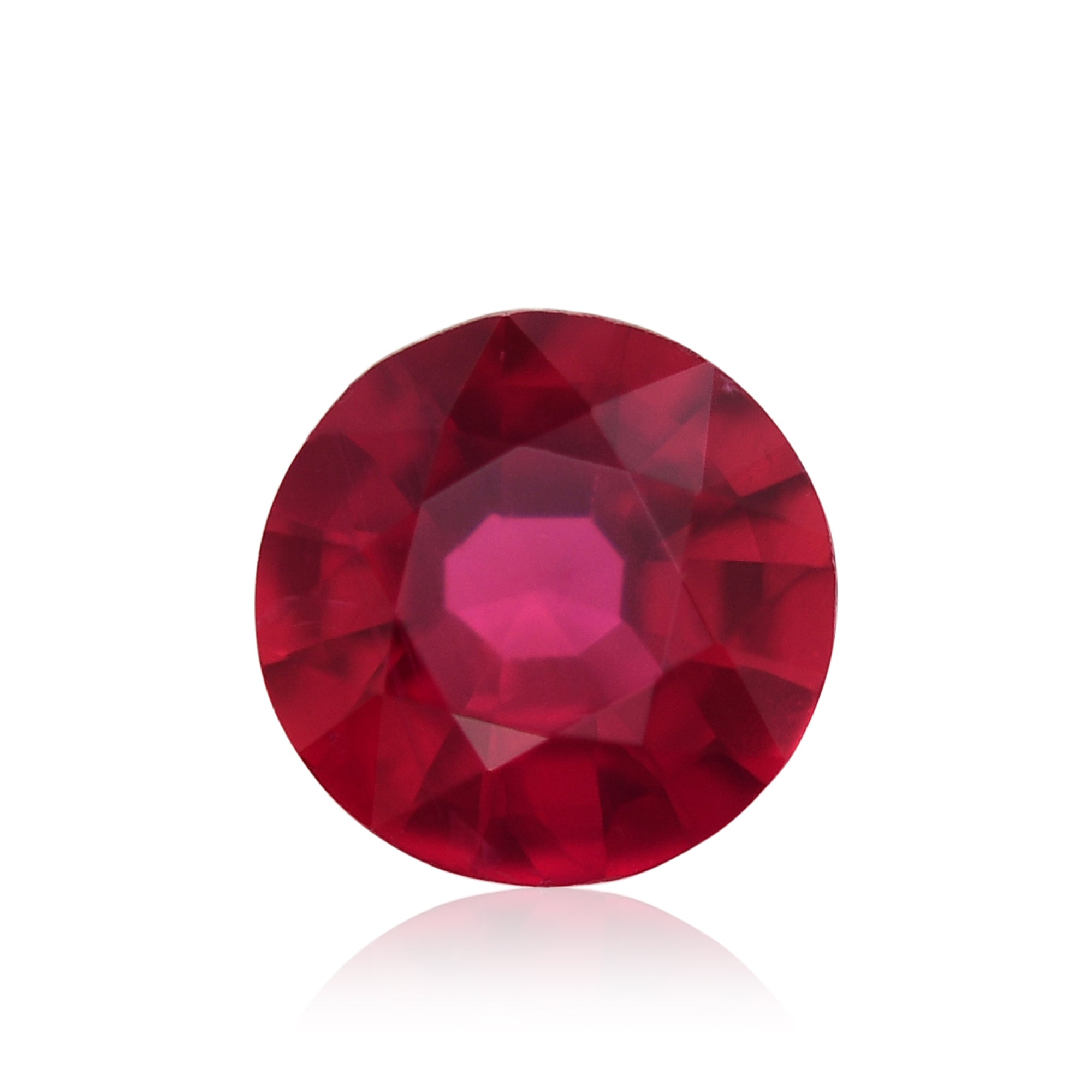
Ruby is one of the most coveted gemstones in the world, prized across cultures for millennia as a symbol of passion, power, and protection. The science behind this gem is as fascinating as its storied history.
What Makes a Ruby?
Rubies are a variety of corundum — aluminum oxide (Al₂O₃) — that derive their iconic red color from trace amounts of chromium replacing aluminum in the crystal lattice. This chromium not only creates the red color but also causes rubies to fluoresce under ultraviolet light, making fine Burmese rubies literally glow with inner fire in natural sunlight. Without chromium, the same mineral becomes a sapphire.
Quality Factors: The Pigeon Blood Standard
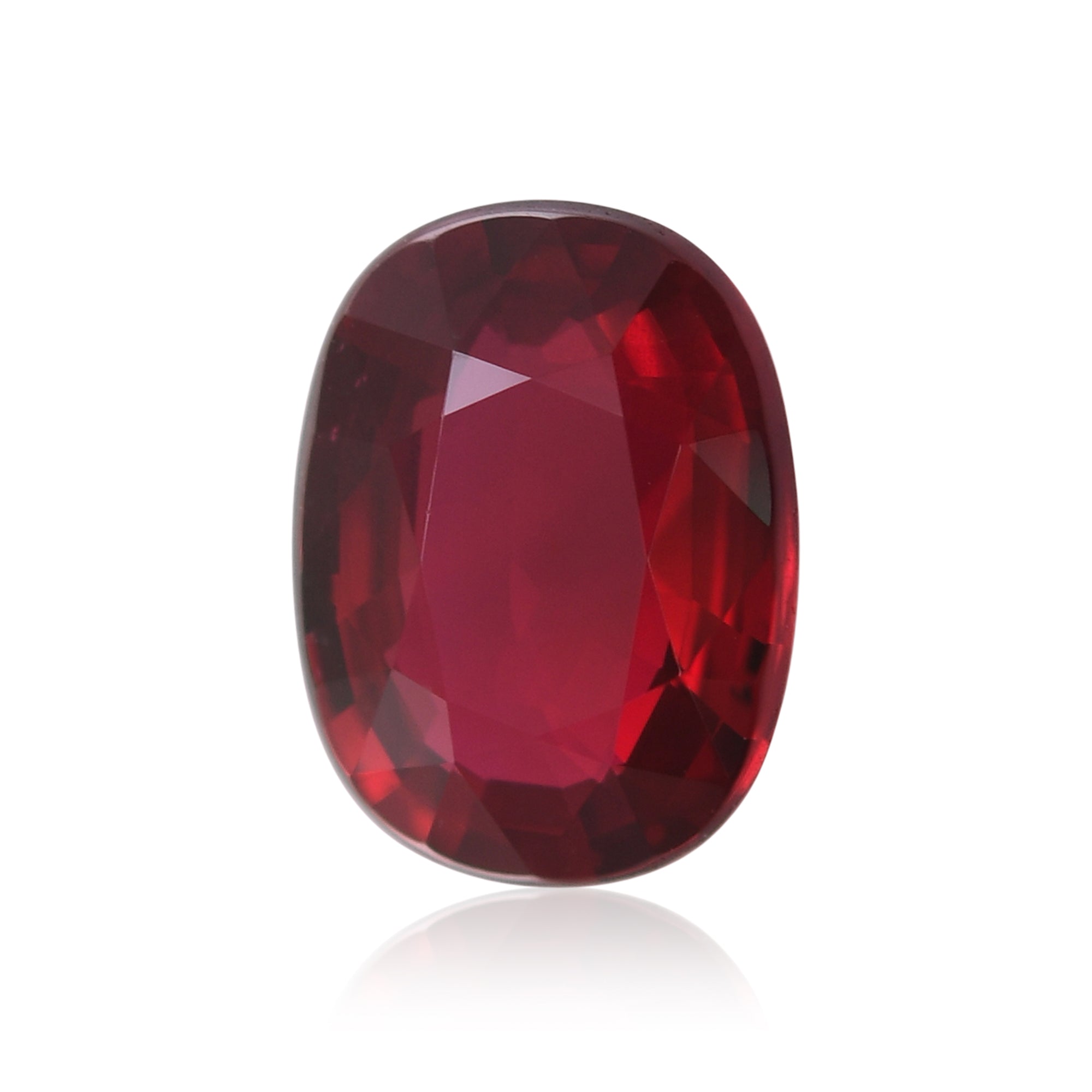
Color is the dominant value factor in rubies. The most prized designation is Pigeon Blood — a term first codified by Swiss laboratory GRS to describe rubies of pure, vivid red with a slight blue overtone, medium-dark tone, and no brown or orange modifiers. A certified Pigeon Blood ruby from Mogok, Burma can command prices 300–500% higher than a visually similar Mozambique ruby of the same weight.
Clarity is also significant. Unlike emeralds where inclusions are accepted as natural, fine rubies should approach eye-clean status. However, certain inclusions — notably rutile needle formations called "silk" — can signal natural, untreated status. Cut quality matters for maximizing color return, and carat weight dramatically affects per-carat pricing: a 3ct ruby typically costs 5–10× more per carat than a comparable 1ct stone.
Origins: Burma, Mozambique, Madagascar
Burma (Mogok Valley) has been the world's ruby benchmark for centuries. The valley's unique geology — low iron content combined with optimal chromium levels — produces rubies with unmatched fluorescence and saturation. Mogok rubies appear to glow under natural light in a way no other origin replicates.
Mozambique (Montepuez district) emerged as a major commercial source in the 2000s. These rubies tend to be darker and often larger than Burmese stones. While they lack Burma's provenance prestige, top Mozambique rubies with GRS or SSEF certificates are serious collector pieces commanding strong prices at international auctions.
Madagascar produces rubies primarily for the commercial market. Generally lighter in color and often requiring heat treatment to reach gem quality, Madagascar rubies rarely achieve investment-grade status.
Heat Treatment and Value
Over 95% of rubies on the market have been heat treated to improve color and clarity. Heat treatment is widely accepted by the trade and documented on laboratory certificates. However, rubies with "no indications of heating" command extraordinary premiums — typically 200–500% more than heated equivalents of identical appearance. At auction, every record-setting ruby has been unheated Burmese material.
Certification: What to Look For
For investment-grade rubies, require certificates from GRS, Gübelin, SSEF, or GIA. GRS is particularly important because their "Pigeon Blood" quality designation — a trademarked term — directly impacts market value and auction hammer prices. The certificate must clearly state: geographic origin (Burma/Myanmar preferred), treatment status (seek "no indications of heating"), and color quality designation where awarded.
Investment Considerations
Unheated Burma rubies in Pigeon Blood quality have shown consistent long-term price appreciation. The Sunrise Ruby sold at Sotheby's Geneva in 2015 for $30.3 million — $1.18 million per carat — setting the all-time record for a colored gemstone at auction. Investment-grade entry begins around $10,000–15,000 per carat for clean, untreated Burmese material with top-tier laboratory certification.
Buying Tips
Always verify the certificate number on the issuing lab's website before any purchase. Request video under multiple lighting conditions — particularly daylight and incandescent light. Ask specifically about treatment: confirm "no indications of heating" appears on the certificate. Be wary of descriptions like "Burmese quality" or "Mogok-type" without an actual Burma origin determination from a major laboratory. For any purchase above $5,000, accept only GRS, Gübelin, SSEF, or GIA certificates.