Colored Gemstones as Alternative Investments
In an era of volatile equity markets and currency debasement, a growing segment of sophisticated investors is allocating to portable, tangible assets. Rare colored gemstones — specifically investment-grade pieces meeting strict criteria — have demonstrated consistent long-term appreciation and offer characteristics unavailable in financial instruments.
Why Gemstones as Assets
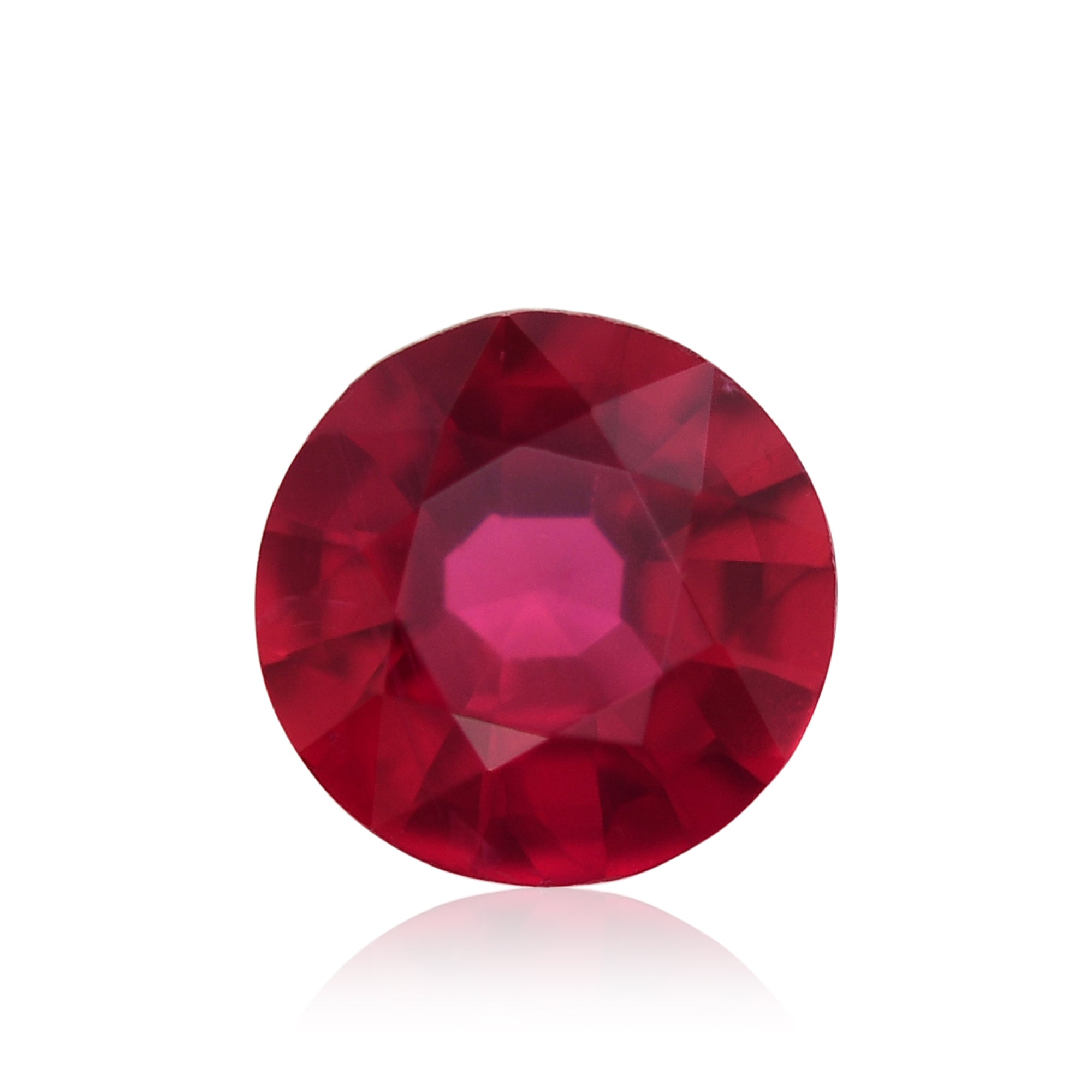
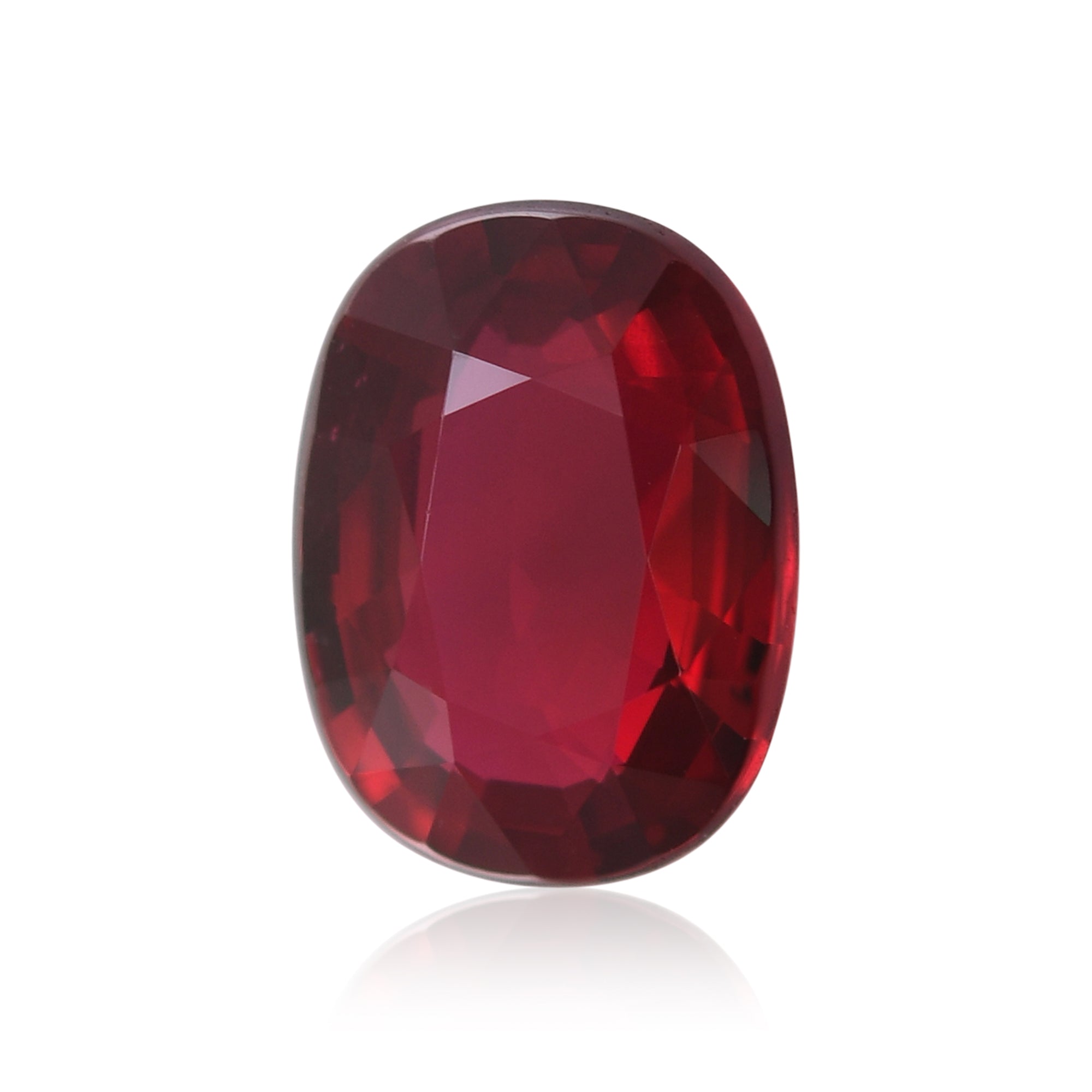
Fine colored gemstones offer a distinctive combination: portability (a $500,000 ruby fits in a shirt pocket and crosses borders legally), tangibility (no counterparty risk, no digital system failure, no bank intermediary), and finite supply (no new Mogok Valley deposits are being discovered; Kashmir mines have been closed for over a century). Unlike gold, investment-grade gemstones are not homogenous — a specific unheated Burma ruby in Pigeon Blood quality cannot be substituted by any other stone.
20-Year Track Record
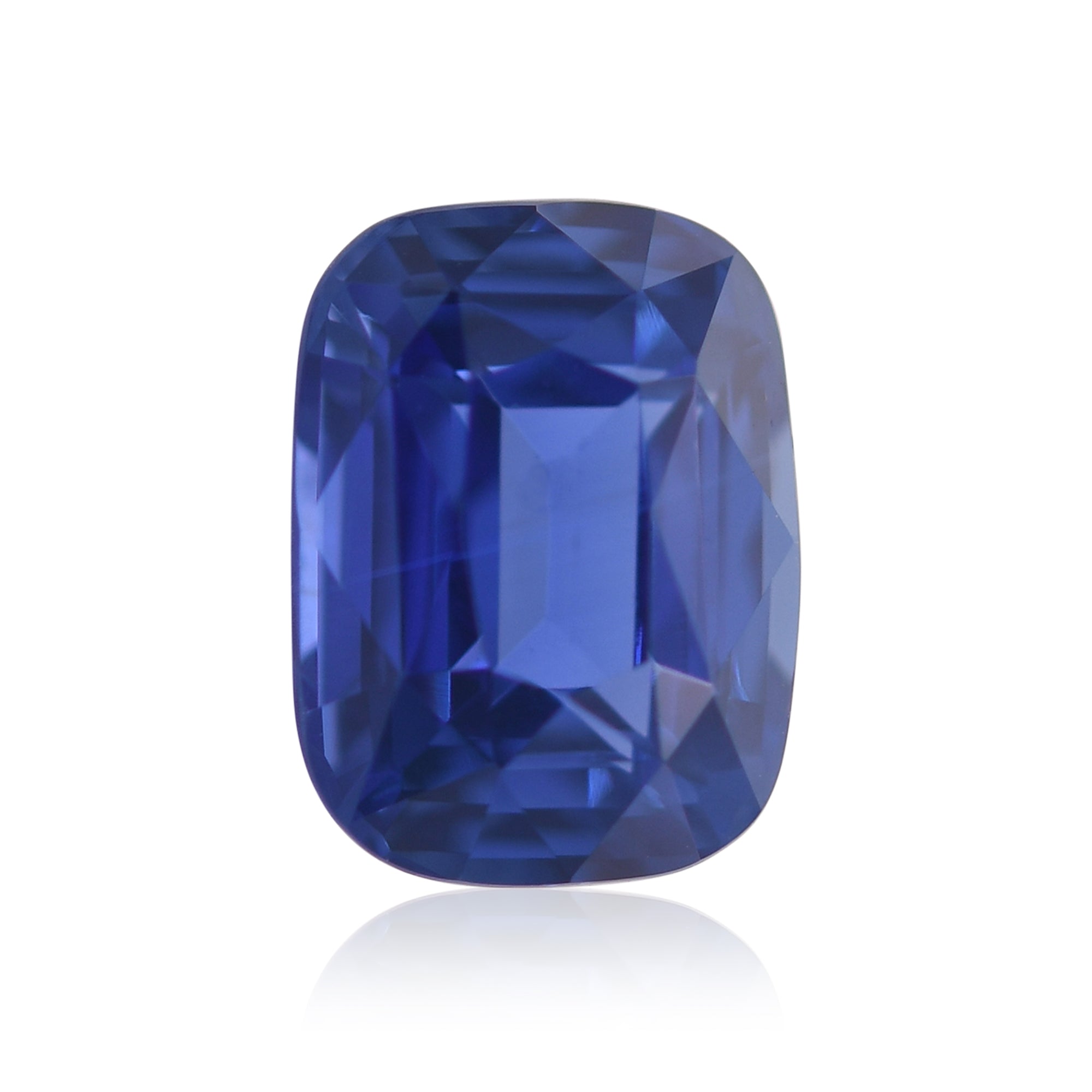
Unheated Burma ruby prices at international auction have appreciated substantially over the past two decades. In 2005, exceptional unheated Burma rubies sold for $50,000–100,000 per carat at major auction houses. By 2015, comparable stones commanded $300,000–1,000,000+ per carat. The Sunrise Ruby set the all-time per-carat record for any colored gemstone at $1.18 million per carat. Kashmir sapphire prices have shown similar trajectories.
Liquidity Considerations
Gemstones are not liquid assets — this is the most important caveat for any potential investor. Selling a fine gemstone requires: auction house consignment (6–12 months to realize, 15–25% seller's commission), dealer networks (immediate but typically at 30–50% below replacement value), or private sale (highly variable timing). Gemstones should be considered a 5–10+ year hold minimum. The illiquidity premium should be fully understood before entry.
Storage and Insurance
Investment-grade gemstones should be stored in a bank safe deposit box, approved high-security vault, or freeport storage facility. Insurance should cover full replacement value at current market rates — not purchase price — and should be revalued every 2–3 years. Specialist fine art and collectibles insurers offer superior coverage versus standard homeowners policies.
What Defines Investment Grade
Four criteria define genuinely investment-grade colored gemstones: (1) No treatment or accepted minor treatment — "no indications of heating" for rubies and sapphires; F1/F2 maximum for emeralds. (2) Top origin — Burma or Mozambique for ruby; Kashmir, Burma, or Ceylon for sapphire; Colombia (Muzo) for emerald. (3) Top-tier laboratory certificate — GRS, Gübelin, or SSEF. (4) Meaningful size — generally 3ct+ for serious pieces; 5ct+ for maximum liquidity at resale.
Entry Points
Meaningful collecting begins at $10,000–15,000 for entry-level investment pieces — typically smaller (1–2ct) fine-quality stones with good but not exceptional origin and treatment status. Serious collecting begins at $50,000+. The finest investment pieces — unheated Burma rubies, Kashmir sapphires, fine Colombian emeralds in 5ct+ — require $100,000–$500,000+ per stone. Set a realistic budget and prioritize quality over quantity.
Exit Strategies
Auction houses (Christie's, Sotheby's, Bonhams, Poly Auction): Maximum exposure, maximum price realization for truly exceptional material, but commission-heavy and time-consuming. Established dealers: Faster exit, lower net proceeds, no commission structure. Private sale through trusted networks: Best price-to-effort ratio when the right buyer is available. Building relationships with reputable dealers before you need to sell is one of the most valuable things an investor can do.
Interested in Investment-Grade Gemstones?
Browse our current selection of certified natural investment-grade colored gemstones.
VIEW CATALOG