The 4Cs of Colored Gemstones Explained
The "4Cs" — Color, Clarity, Cut, and Carat — were originally developed for diamond grading by GIA. While this framework applies to colored gemstones, the relative importance of each factor and the standards applied differ substantially. Understanding these differences is essential for making informed colored stone purchases.
Color Is King
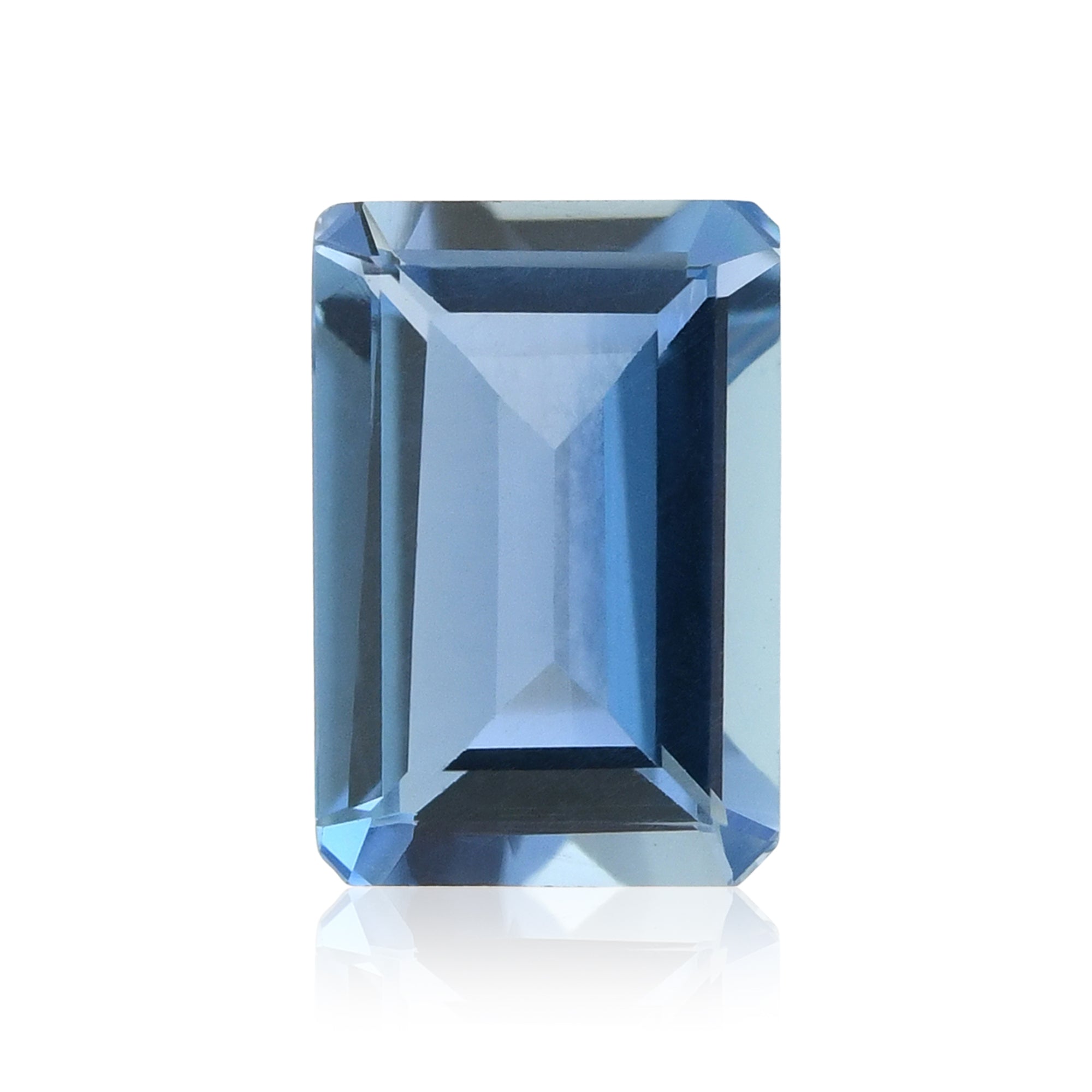
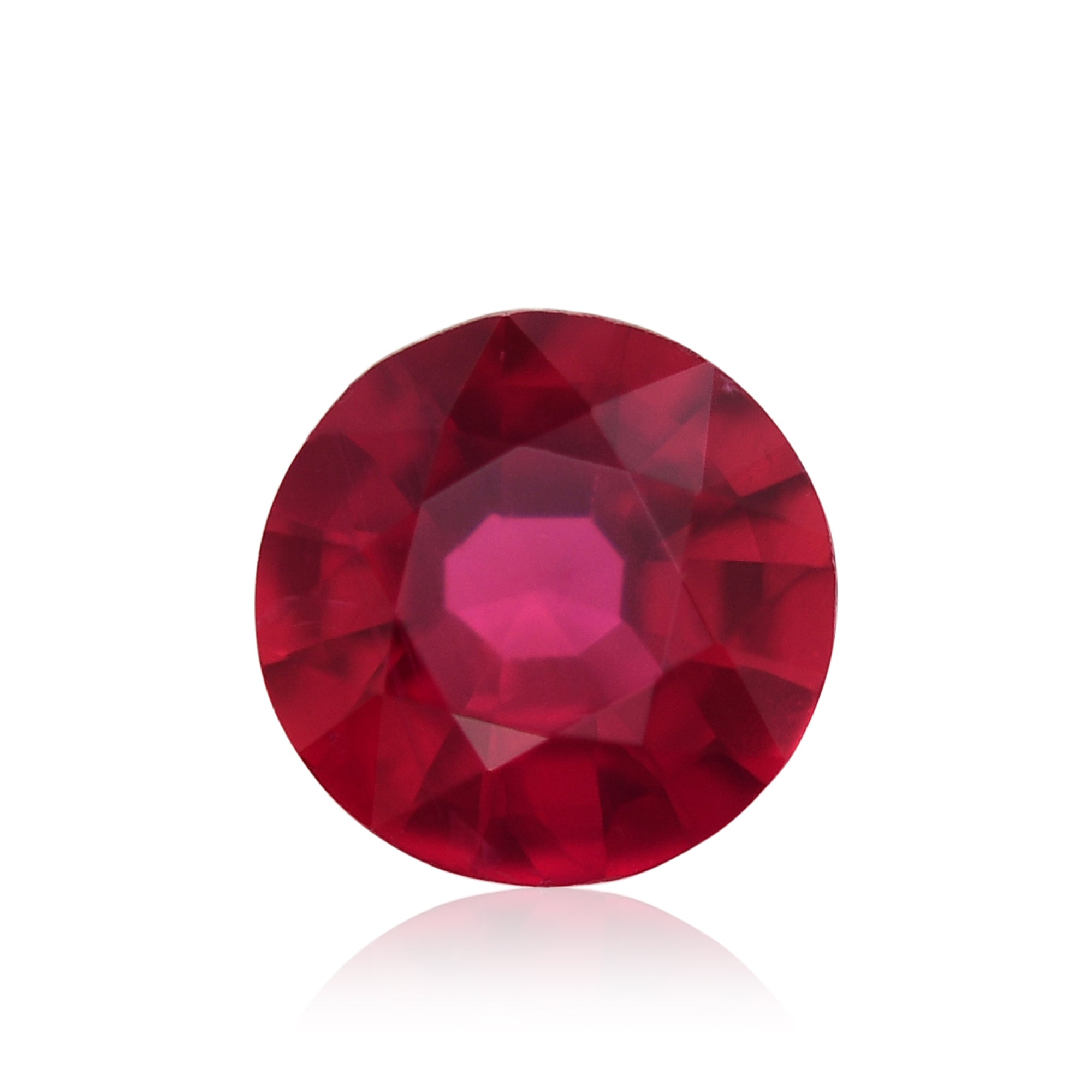
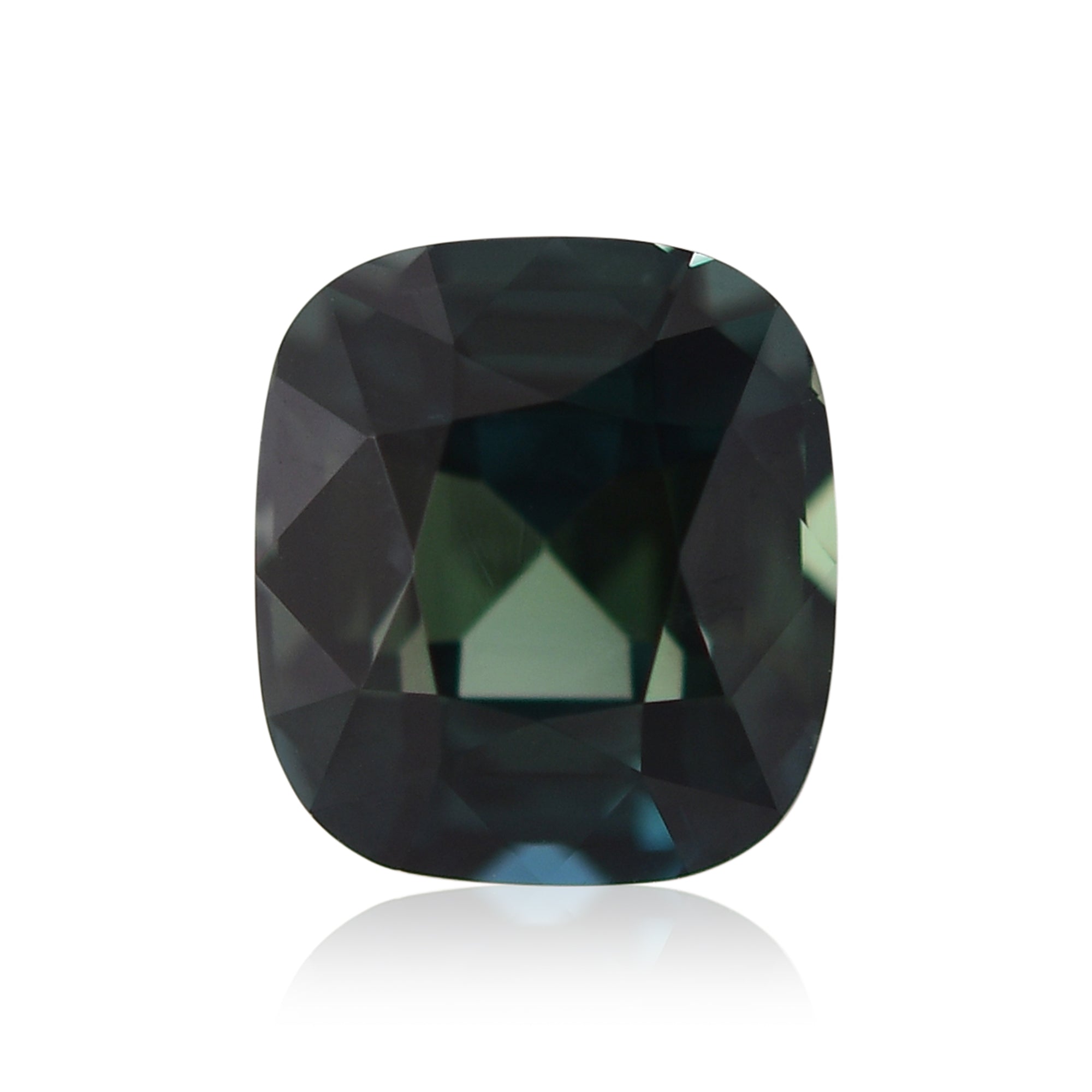
In colored gemstones, color is the dominant quality factor — overwhelmingly more important than in diamond grading. Color is assessed across three dimensions:
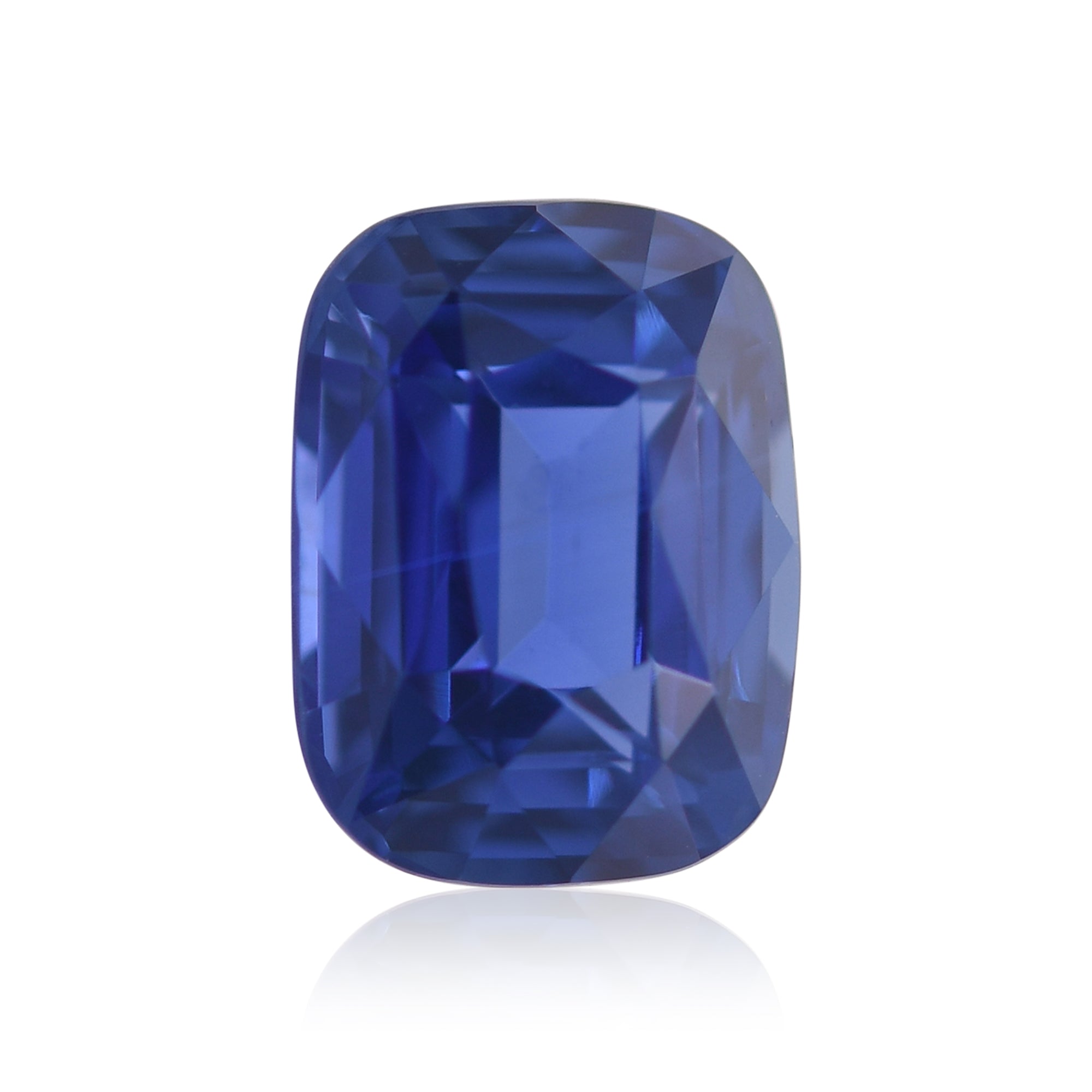
Hue: The primary color and any modifying secondary colors. A blue sapphire might be "pure blue," "violetish blue," or "slightly greenish blue" — modifiers that significantly affect value. Pure primary hues generally command premiums.
Saturation: The intensity of the hue, from grayish/dull to vivid. The highest saturation level — "vivid" — represents the peak of commercial value for most colored stones.
Tone: The lightness or darkness of the color on a scale from "very light" to "very dark." The optimal tone varies by stone type: rubies are most prized at medium-dark; sapphires at medium; tanzanite at medium-dark.
Clarity: Different Standards by Stone
Unlike diamonds where any visible inclusion significantly depresses value, colored gemstone clarity standards are stone-dependent. Rubies and sapphires (corundum) should ideally be eye-clean — free from inclusions visible to the naked eye at normal viewing distance. Inclusions in fine corundum represent a meaningful value penalty.
Emeralds follow entirely different standards: virtually all natural emeralds contain inclusions (the "jardin"), and these are accepted as evidence of natural origin. An eye-clean emerald of fine color is actually rare and exceptionally valuable — but a stone with typical emerald inclusions that don't impair beauty is not considered flawed.
Cut: Proportions and the Windowing Effect
Unlike diamond cutting where ideal proportions are mathematically defined, colored gemstone cutting prioritizes maximum color retention and carat weight over standardized proportions. This creates a specific problem: windowing — a pale or colorless area visible in the center of the stone when looking through the table facet, caused by a shallow pavilion that allows light to pass through rather than reflect back. A windowed stone appears "empty" in the center and represents poor cutting. Always check for windowing by holding the stone over a white background and looking straight through the table.
Carat: The Price-Per-Carat Jumps
Price-per-carat in fine colored gemstones increases non-linearly with weight — larger stones of equal quality command disproportionately higher per-carat prices because larger rough of fine quality is genuinely rarer. Key threshold jumps occur at: 1ct, 3ct, 5ct, and 10ct. A 5ct fine ruby of equal quality to a 4.8ct ruby might be worth 20–40% more per carat simply because it crosses the 5ct threshold. Understanding these jumps is essential for accurate valuation.
Why Colored Stone Grading Differs from Diamond Grading
Diamond grading operates on a single universal scale because diamonds are essentially homogenous — all colorless diamonds are the same material. Colored gemstone grading must account for the fact that different stone types have different optimal color positions, different clarity expectations, and different cutting priorities. There is no universal colored stone grading scale equivalent to GIA's diamond color and clarity grades.
Origin: The Fifth C
For investment-grade colored stones, origin functions as a "fifth C" — potentially the most important value factor of all. A Burma ruby and a Mozambique ruby of identical color, clarity, cut, and weight can differ in price by 200–400%. A Kashmir sapphire and a Ceylon sapphire of identical appearance can differ by 500–1,000%. No diamond grading concept has an equivalent: origin carries the weight of provenance, rarity, historical significance, and market consensus in a single designation that profoundly affects value.
Interested in Fine Colored Gemstones?
Browse our current selection of certified natural fine colored gemstones.
VIEW CATALOG