Paraiba Tourmaline: The Neon Blue Phenomenon
In 1987, a Brazilian prospector began hand-digging tunnels through the rocky hills of Paraíba state, convinced that something exceptional lay beneath the surface. What he found would redefine the boundaries of what colored stones could look like — and create one of the most sought-after gems of the modern era.
The Discovery
Heitor Dimas Barbosa spent years digging in the hills near São José da Batalha. In 1989, the first samples of his find reached the gem market — tourmalines of a blue-green color so vivid, so saturated, so apparently luminous that professional gemologists were initially skeptical of their authenticity. The color seemed too electric to be natural.
Laboratory analysis revealed the cause: the presence of copper and manganese in the tourmaline crystal structure — previously unknown in any tourmaline. This copper-bearing composition was unprecedented in gemology and produced a color that has never been duplicated by any other mineral.
What Makes It Glow: Copper and Manganese
The physics of Paraiba tourmaline's extraordinary color arise from a precise combination of factors. Copper replacing iron in the crystal structure creates the blue-green saturation. Manganese adds pink-purple modifiers that prevent the color from appearing simply "green." Critically, the very low iron content eliminates what gemologists call "iron quenching" — iron normally absorbs the light energy that would contribute to brightness. Without iron, the copper-driven color saturates to an apparent luminosity that gemologists and collectors find irreplaceable.
Brazil vs Nigeria vs Mozambique: Origin and Price
Following the original Brazilian discovery, similar copper-bearing tourmalines were found in Nigeria (2001) and Mozambique (approximately 2005). International trade bodies ultimately determined that stones from Nigeria and Mozambique meeting the copper-content and color criteria can be certified as "Paraiba tourmaline," with origin noted on the certificate.
The price hierarchy: Brazilian Paraíba state material commands the highest premiums — sometimes 3–5× equivalent African material — because of genuine rarity (the original deposit is essentially exhausted at fine quality) and historical precedence. Mozambique material is more abundantly available and represents excellent value, particularly for buyers prioritizing color over origin.
Laboratory Designations
GRS uses "Paraíba-type tourmaline" for qualifying non-Brazilian material. AGL similarly uses "Paraiba-type." When purchasing, confirm the certificate explicitly states the geographic origin — the term "Paraiba tourmaline" alone is insufficient for pricing purposes.
Per-Carat Pricing
Brazilian Paraiba tourmalines in fine color and 1ct+ sizes are among the most expensive colored gemstones per carat, sometimes exceeding diamonds of comparable weight at auction. Current pricing for top Brazilian material in eye-clean, vivid color: $10,000–50,000+ per carat depending on size and color intensity. African Paraiba at equivalent color: $3,000–15,000 per carat.
Inclusions and Other Tourmalines
The geological conditions that create copper-bearing tourmalines also generate frequent inclusions. Eye-clean Paraiba tourmaline is rare and commands meaningful premiums. Minor inclusions in fine-color material are generally accepted by the market, particularly for Brazilian origin where alternatives are essentially unavailable.
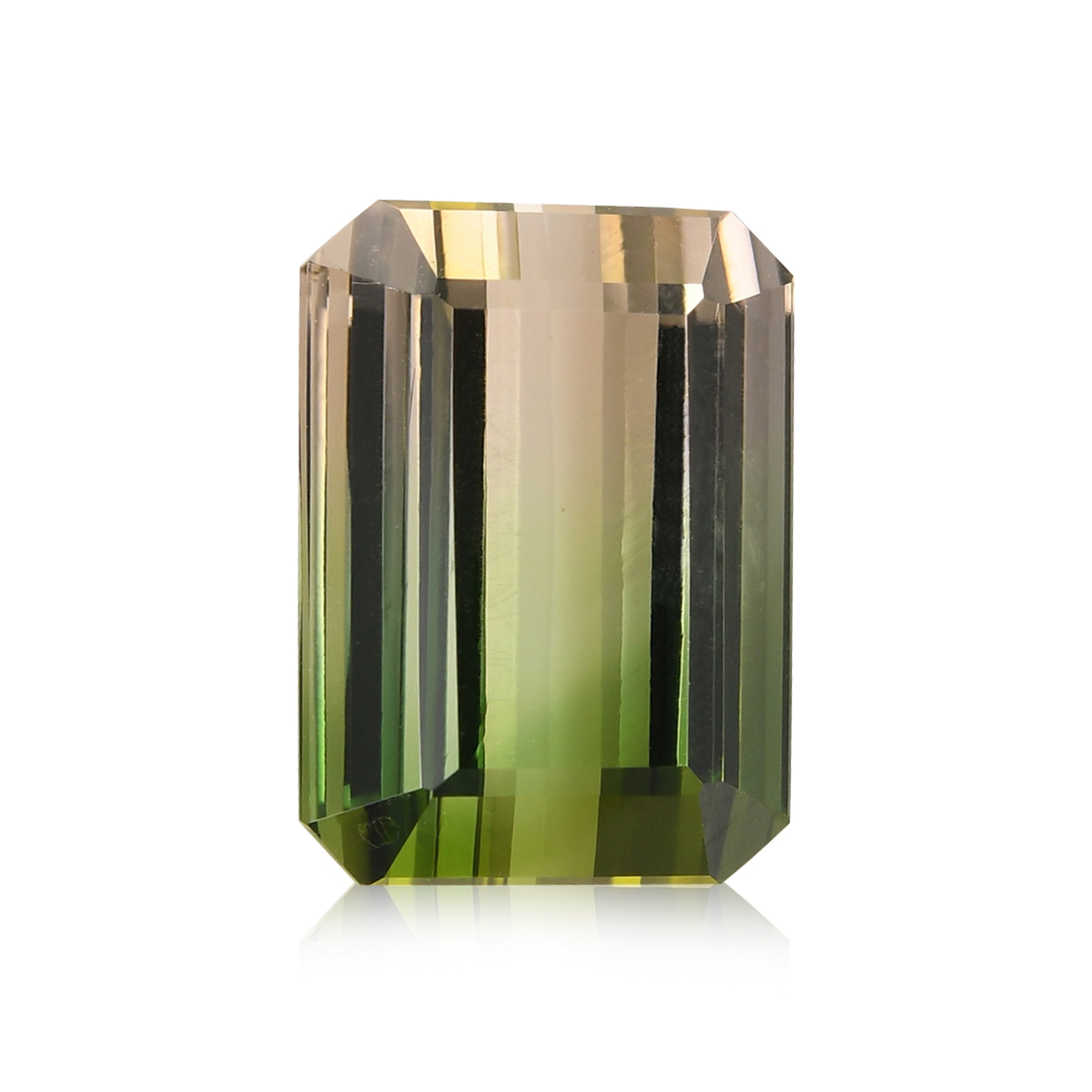
Other tourmalines worth knowing: Rubellite (red to pink-red, popular in statement jewelry), Chrome Tourmaline (vivid chromium-green from Tanzania, one of the finest greens in gemology), and Indicolite (blue tourmaline, widely available at accessible price points).
Interested in Paraiba Tourmaline?
Browse our current selection of certified natural Paraiba tourmalines.
VIEW CATALOG