Spinel: The Most Undervalued Gemstone
If the gemstone market were perfectly rational, spinel would cost far more than it does. Naturally untreated, available in extraordinary colors, historically significant, and dramatically underpriced relative to ruby — spinel represents one of the most compelling value propositions in the entire colored stone world.
History's Greatest Gemological Mistaken Identity
For much of recorded history, spinel was mistaken for ruby. The two gems are similar in appearance — both often red, both hard — but are entirely different minerals. Spinel is magnesium aluminum oxide (MgAl₂O₄); ruby is aluminum oxide with chromium. The confusion persisted at the highest levels for centuries.
The Black Prince's Ruby — a 170-carat red gem mounted in the Imperial State Crown of England — is actually a spinel. The Timur Ruby, another famous crown jewel, is also spinel. Catherine the Great's famous "ruby" is spinel. These historical misidentifications now lend spinel extraordinary historical cachet and collector romance.
Mahenge Spinel: The Neon Phenomenon
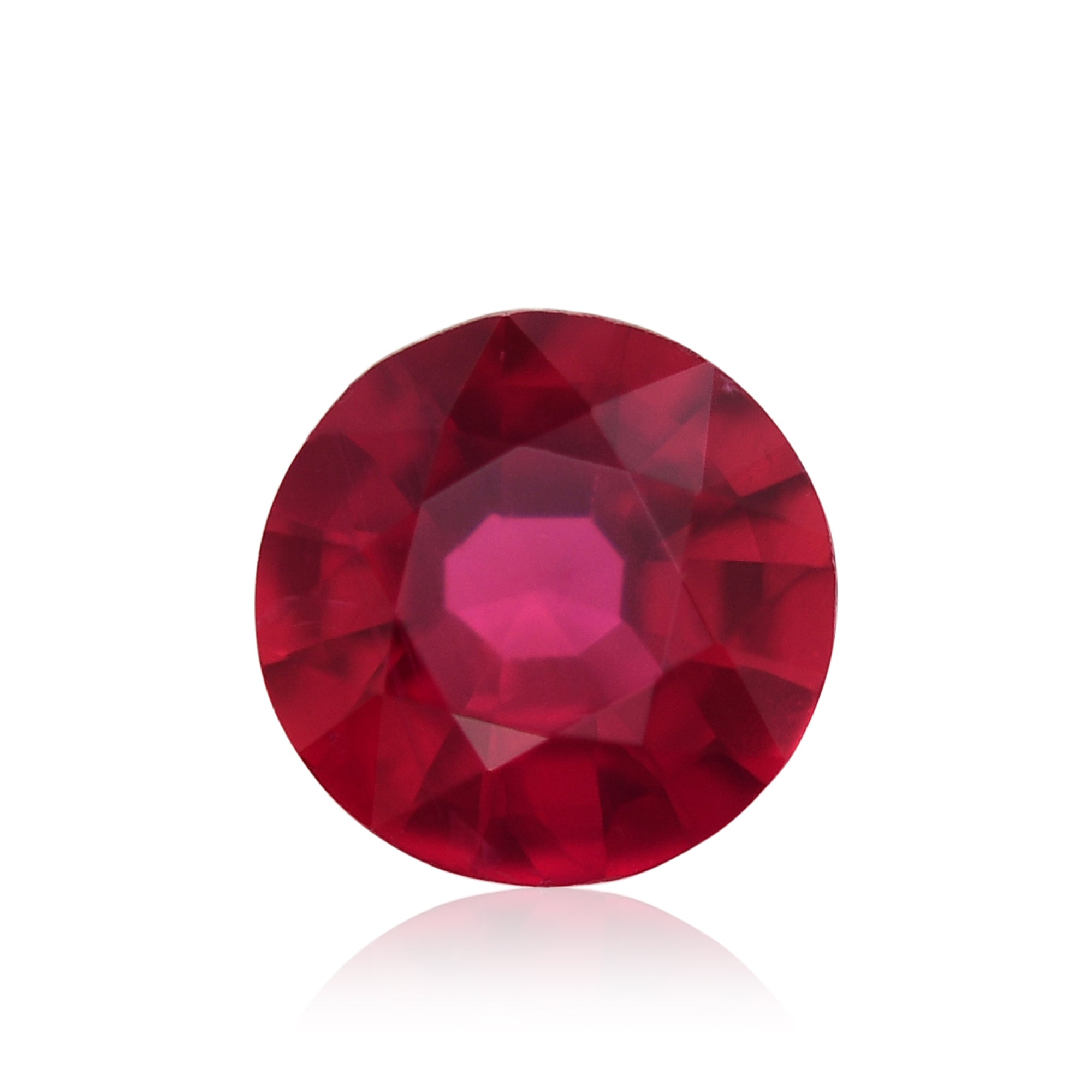
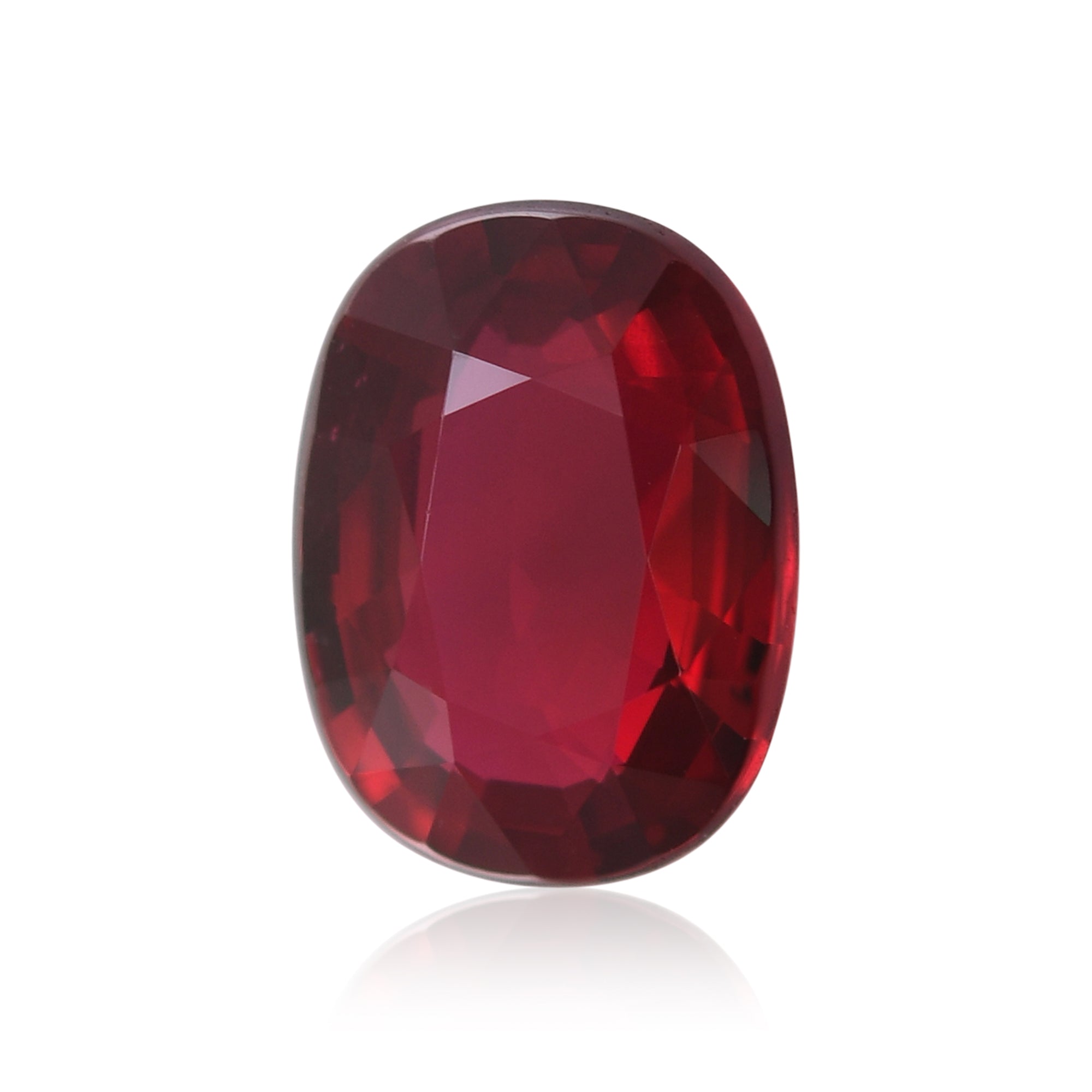
Modern fine spinel collecting begins with the discovery of Mahenge spinels in Tanzania's Morogoro region in the early 2000s. Mahenge spinels display a neon pink-red or hot pink color caused by chromium — a saturation so intense it appears to glow even under dim lighting. Professional gemologists describe the finest Mahenge specimens as exhibiting a luminescence-like quality that no other gemstone variety matches at comparable price points.
A 3ct fine Mahenge spinel in vivid neon pink might command $3,000–8,000 per carat. A ruby of comparable visual appearance could cost $25,000–80,000 per carat. This value gap — which cannot be explained by any meaningful quality difference — is precisely what sophisticated investors are exploiting.
Burma Spinel: The Collector's Classic
Burmese spinel from the Mogok Valley is the historical benchmark — produced from the same legendary mines that yield the world's finest rubies. Burma red spinels show a deep, saturated crimson that comes closer to fine ruby color than any other gemstone. These stones are sought by serious collectors for their gemological pedigree, natural color, and the romance of Mogok origin.
Naturally Untreated: A Rare Distinction
Perhaps spinel's most compelling quality is that it is essentially never treated. Unlike rubies (95%+ heat treated), sapphires (90%+ heat treated), and emeralds (virtually all clarity-enhanced with oil or resin), spinel reaches the market in its natural state. The color you see is the color the earth created. This makes spinel certification straightforward and eliminates the treatment-disclosure complexity that complicates evaluation of other colored stones.
Colors Available
Red and Neon Pink-Red: The most prestigious, chromium-driven colors. Mahenge neon pink-red represents the peak expression of the variety.
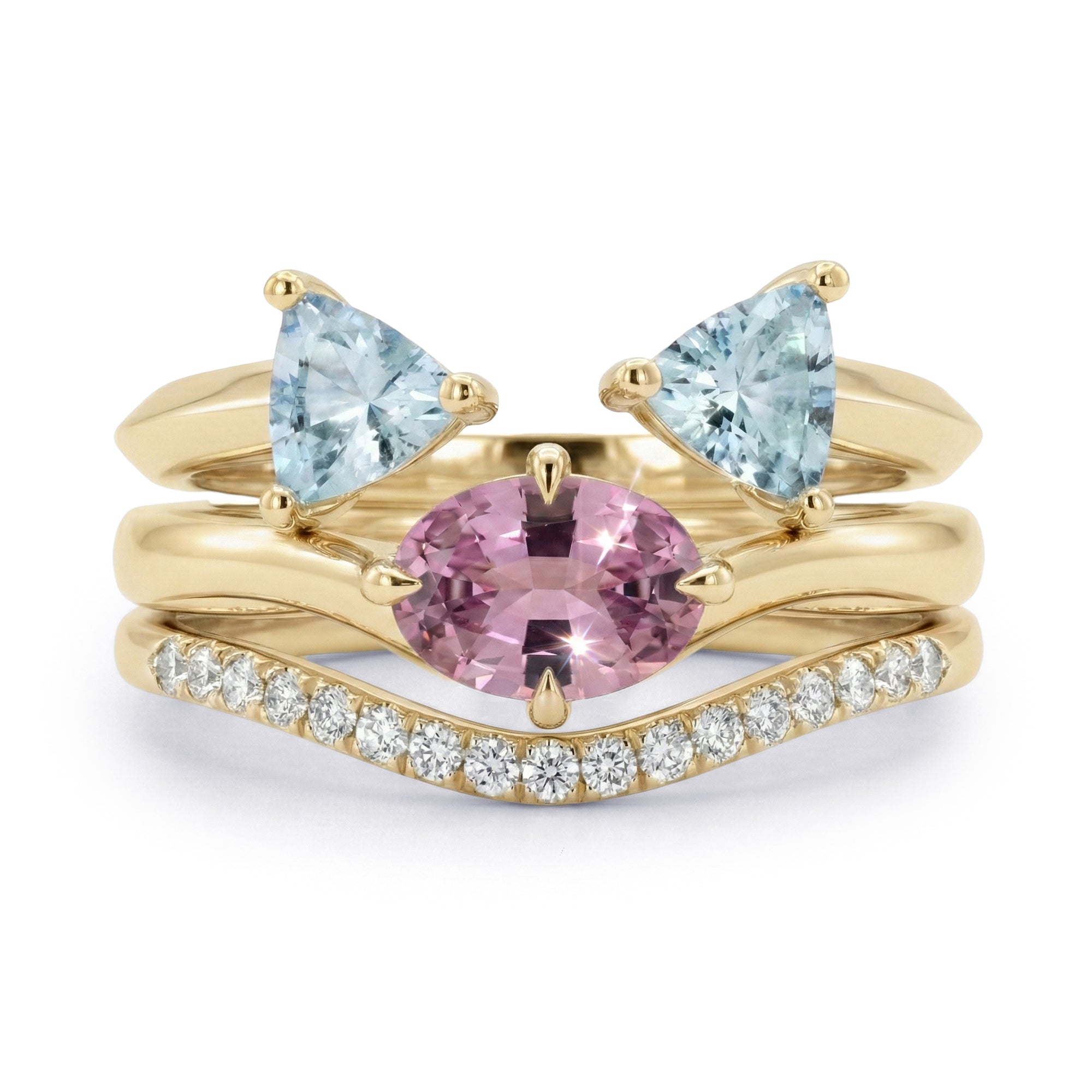
Pink: Widely available from Burma, Sri Lanka, and Tanzania. Excellent value across all price points.
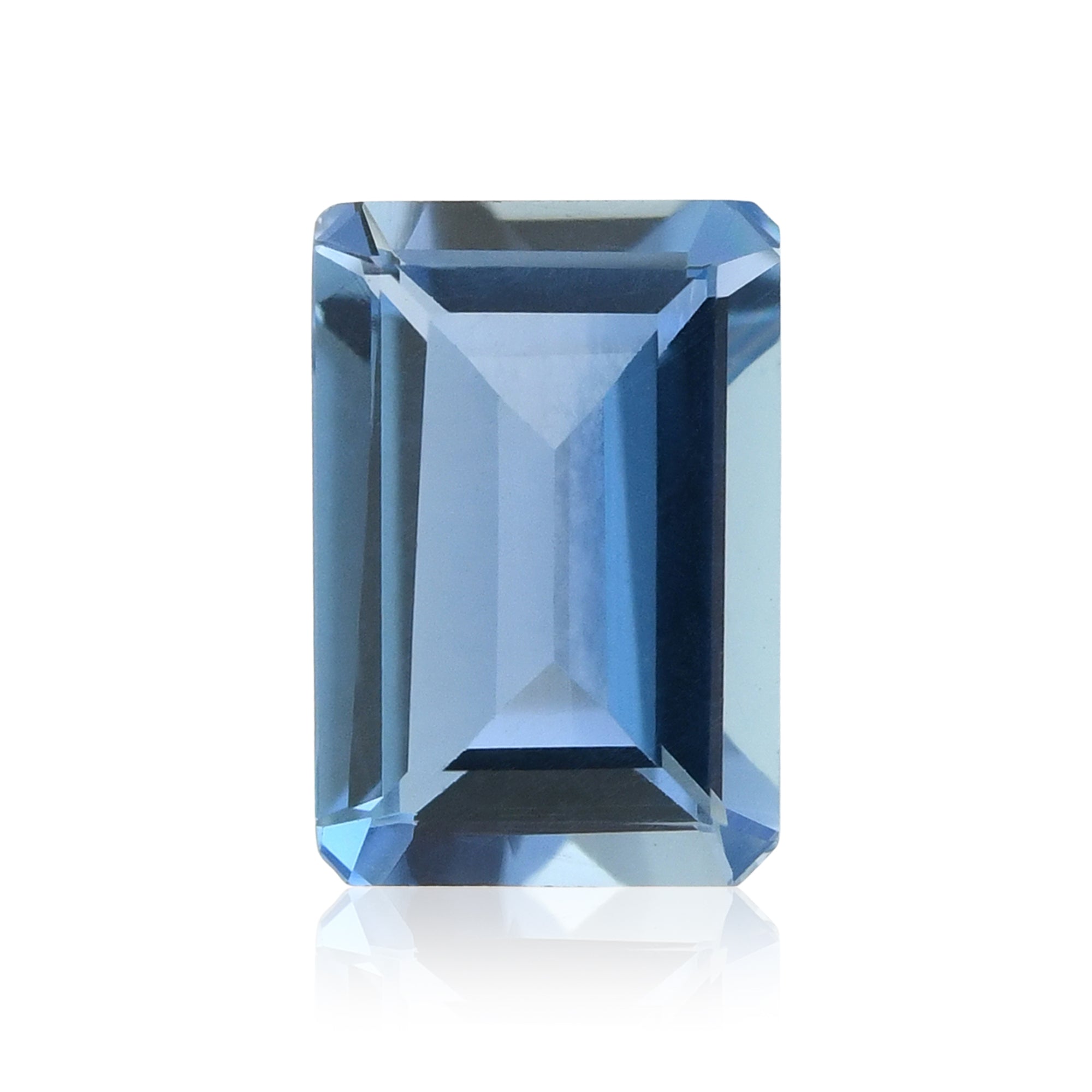
Blue (Cobalt): Cobalt-bearing blue spinels from Sri Lanka and Vietnam are highly collectible and command significant premiums.
Lavender and Purple: Soft, unique colors appealing strongly to jewelry buyers.
Black: Popular in contemporary men's jewelry; star spinels from Sri Lanka are a collector specialty.
The Investment Case
Growing recognition among international collectors, essentially no treatment concerns, a significant and irrational price gap relative to ruby, and increasing auction results all support a positive long-term view on fine spinel. The market is moving — early-stage collectors who understand the gemology are positioning accordingly. Entry points are still accessible: fine Mahenge material begins around $1,500–3,000 per carat; top Burma red from $5,000 per carat. The opportunity window will not remain open indefinitely.
Interested in Spinel?
Browse our current selection of certified natural natural spinels.
VIEW CATALOG